
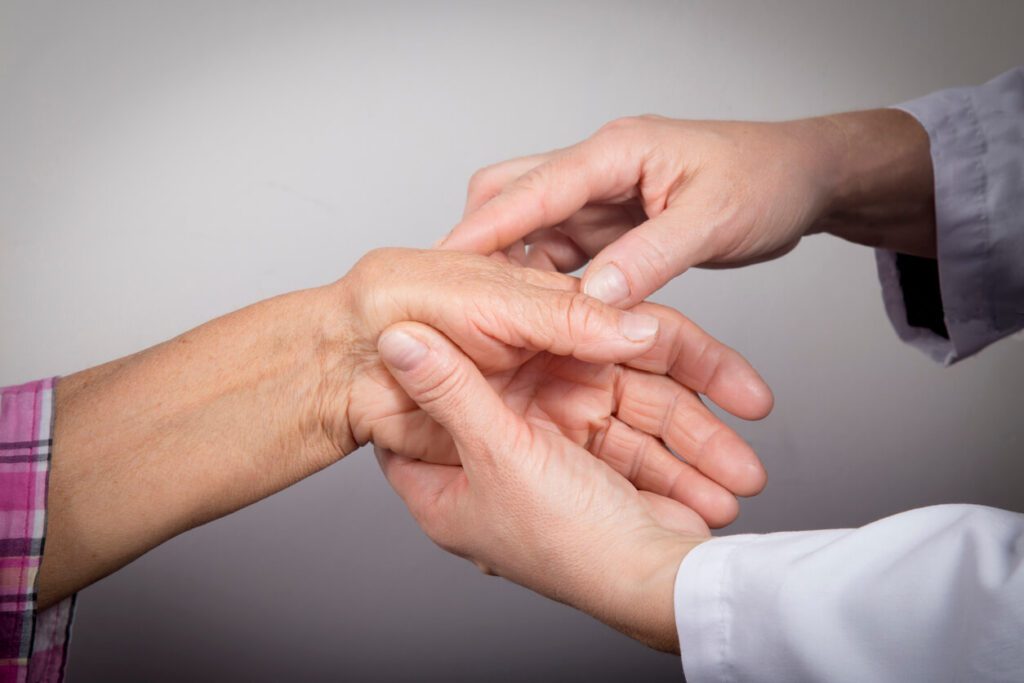
In short, managing rheumatoid arthritis pain in older adults requires a tailored approach that addresses both physical discomfort and overall well-being. Key strategies include:
- Creating personalized treatment plans to manage inflammation while considering other age-related health conditions.
- Implementing early and consistent interventions to slow disease progression and prevent severe joint damage.
- Combining medication with physical therapy and fall prevention measures for comprehensive care.
For seniors living with chronic joint inflammation, finding an effective treatment for rheumatoid arthritis pain is the key to preserving independence and maintaining a high quality of life. As your body ages, managing this autoimmune condition involves balancing joint care with other health needs.
This guide covers how rheumatoid arthritis (RA) affects older adults. We will explore age-related considerations, medication safety, and practical lifestyle adjustments designed to protect your joints, prevent falls, and improve your daily function.
Understanding Rheumatoid Arthritis in Older Adults
Rheumatoid arthritis is a chronic autoimmune disease that causes severe inflammation in the joints. Unlike osteoarthritis, which develops from standard wear and tear, RA occurs when your immune system mistakenly attacks the joint lining (synovium). This leads to painful swelling, severe stiffness, and the potential erosion of bone and cartilage.
According to the American Medical Association (AMA), RA pain is typically symmetrical, meaning it affects the same joints on both sides of your body. Older adults often experience additional symptoms, including:
- Profound morning stiffness lasting more than 30 minutes
- Significant fatigue
- A general feeling of being unwell
Recognizing these specific symptoms is crucial for securing an accurate diagnosis and starting an effective care plan.
How Age Impacts the Disease
When RA develops or persists into your later years, the condition presents unique challenges. Your immune system naturally changes as you age, which can alter how your body responds to inflammation.
Additionally, older adults often experience a natural decrease in muscle mass and bone density. When you combine these age-related changes with chronic joint swelling, the risk for joint deformity and loss of mobility increases significantly.
Age-Specific Considerations for Managing RA
According to the National Institutes of Health (NIH), approximately one-third of RA cases develop in individuals over 60, making professional care tailored to older adults essential.
The primary goals of a specialized treatment plan are to improve quality of life, maintain functional ability, and minimize long-term disability, all while ensuring patient safety.
Managing Multiple Health Conditions
Many seniors live with comorbidities, which are additional chronic conditions like high blood pressure, heart disease, kidney issues, or diabetes. These health factors heavily influence your RA care plan.
Your healthcare provider must carefully select a treatment for rheumatoid arthritis pain that will not worsen your other medical conditions or interfere with the medications you already take to manage them.
Mobility Concerns and Fall Prevention
Joint stiffness, pain, and eventual deformity can severely alter your balance and gait. For older adults, this creates a significant risk for falls. A comprehensive treatment approach must include fall prevention strategies.
Your doctor or physical therapist may recommend assistive devices like canes or walkers to improve your stability. Making simple home modifications, such as removing trip hazards and installing grab bars in the bathroom, will also help keep you safe and active.
How Treatment for Rheumatoid Arthritis Pain Works
Modern treatments work by modulating the immune system to reduce the autoimmune attack on your joint tissues. RA involves an overactive immune response driven by specific inflammatory cells and signaling molecules.
Medical treatments interrupt these specific inflammatory pathways, significantly reducing your pain, swelling, and stiffness.
Medication Categories and Safety for Seniors
RA pain management typically relies on a combination of carefully selected medications. Because older adults process medications differently, doctors pay close attention to kidney and liver function when prescribing these drugs.
- Disease-Modifying Antirheumatic Drugs (DMARDs): These are the cornerstone of RA treatment, working to slow disease progression and prevent permanent joint damage.
- Biologics and Targeted Therapies: These advanced medications target specific parts of the immune system and are highly effective but require careful monitoring for potential infection risks.
- Nonsteroidal Anti-inflammatory Drugs (NSAIDs): These medications offer rapid pain relief but are prescribed cautiously for seniors due to potential impacts on heart health, blood pressure, and the stomach lining.
- Corticosteroids: These medications provide powerful, short-term relief during severe flare-ups and are used at the lowest possible dose to minimize side effects.
Your healthcare team will continually review your medication list to prevent harmful drug interactions and ensure your treatment remains safe and effective.
Lifestyle and Non-Pharmacological Support
Beyond medication, non-pharmacological strategies are vital for managing your symptoms and improving your overall well-being. These approaches empower you to actively participate in your pain management without adding more medications to your routine.
Physical and Occupational Therapy
Physical therapy helps you maintain joint flexibility, strengthen the supporting muscles, and improve your overall range of motion. An occupational therapist can teach you valuable joint protection techniques.
They will show you how to adapt daily activities — like opening jars, dressing, or cooking — so you can complete them with less pain and effort.
Exercise and Diet
Regular, low-impact exercise is essential for joint health. Activities like swimming, water aerobics, or stationary cycling keep your joints moving, reduce fatigue, and improve your cardiovascular health without placing unnecessary stress on your body.
Additionally, adopting an anti-inflammatory diet rich in omega-3 fatty acids, fresh vegetables, and whole grains can help reduce systemic inflammation naturally.
Heat, Cold, and Stress Management
Using warm compresses can soothe stiff joints in the morning, while cold packs help reduce acute swelling after activity. Furthermore, managing the emotional toll of chronic pain is just as important as treating the physical symptoms. Stress management techniques, such as mindfulness, deep breathing, or joining a support group, can significantly improve your ability to cope with RA.
Frequently Asked Questions (FAQ)
Below, we have compiled answers to some of the most common questions our patients ask about treatment for rheumatoid arthritis pain.
What are the primary goals of rheumatoid arthritis (RA) treatment?
The main goals are to reduce inflammation, relieve pain, prevent joint and organ damage, and improve your overall function and well-being. Early and aggressive treatment for rheumatoid arthritis pain is key to managing the disease effectively.
Are there non-medical treatments that can help with RA pain?
Yes. Physical and occupational therapy can help improve joint flexibility and function. Additionally, lifestyle adjustments such as low-impact exercise, maintaining a healthy weight, and stress management techniques are crucial components of a comprehensive RA care plan.
When is surgery considered for rheumatoid arthritis?
Surgery may be recommended when joint damage from RA is severe and conservative treatments no longer provide pain relief or improve function. Procedures can range from joint repair to total joint replacement to restore mobility and enhance your quality of life.
Find treatment for Rheumatoid Arthritis Pain in Naples, FL
Effective RA management dramatically improves your daily life. By reducing pain and inflammation, customized treatments help you regain your functional abilities and maintain your independence. This leads to better sleep, reduced fatigue, and a brighter mood.
When your joints feel better, you can confidently participate in family events, hobbies, and social interactions.
If you are struggling to manage your joint health, our dedicated team is here to help you find the right treatment for rheumatoid arthritis pain. Call us at (239) 261-2663 or use our online appointment request form to schedule a consultation.
