
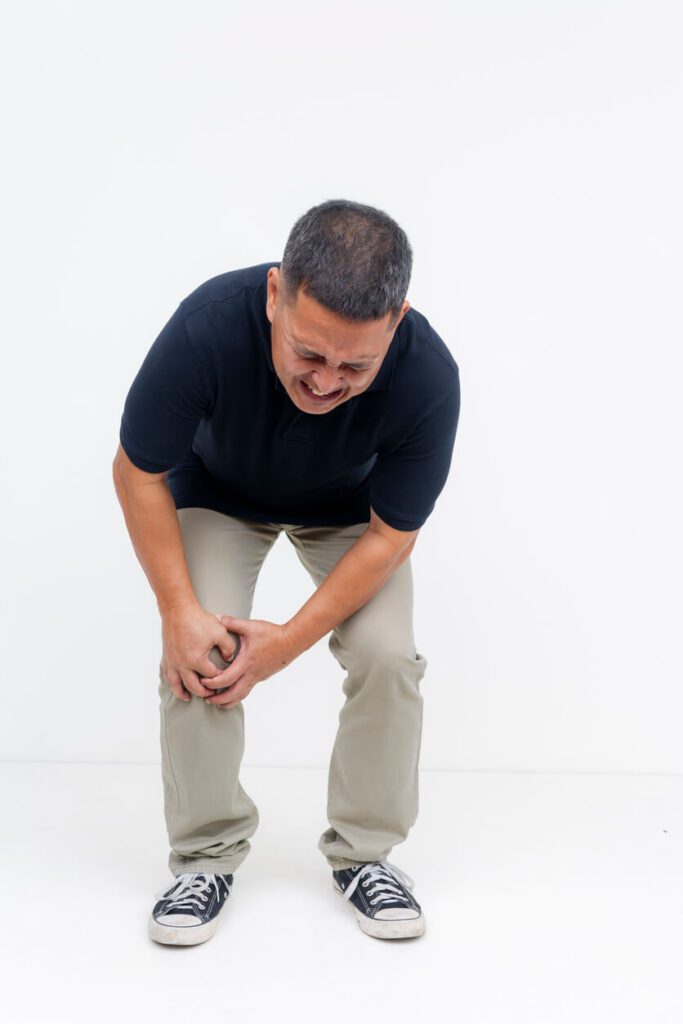
In short, non-surgical recovery is possible for specific candidates, though it depends heavily on the severity of the tear and the patient’s lifestyle goals.
- Tear severity dictates options. Partial tears often heal naturally.
- Physical therapy is mandatory. Strengthening muscles compensates for instability.
- Functional recovery takes time. Expect at least three months for recovery.
Many patients ask orthopedic specialists about the possibility of healing the ACL without surgery immediately following a diagnosis. A tear to the anterior cruciate ligament (ACL) is a significant injury that can cause instability and pain. Patients often fear that invasive reconstruction is their only path back to mobility. However, surgery is not always the mandatory answer for every individual.
The decision to forego the operating room depends on several factors. These include the patient’s age, activity level, and the physical extent of the damage within the knee joint. For some, a dedicated regimen of rehabilitation and non-invasive therapies can restore function.
This guide explores the timeline, the medical reality, and the necessary steps for recovering from this injury conservatively.
Understanding the Anterior Cruciate Ligament
The knee is one of the most complex joints in the human body. It relies on four primary ligaments to maintain stability during movement. The anterior cruciate ligament runs diagonally in the middle of the knee.
It prevents the tibia (shin bone) from sliding out in front of the femur (thigh bone). It also provides rotational stability to the knee. This is vital for pivoting, turning, and jumping.
When this ligament tears, the knee loses a primary stabilizer. This often results in the sensation that the knee is “giving way” during activity.
The Reality of Healing an ACL Without Surgery
Can the body repair this ligament on its own? The answer is nuanced and depends on the grade of the injury. Ligaments have a limited blood supply compared to muscles, which makes self-repair difficult.
Partial Tears vs. Complete Ruptures
For a grade 1 or grade 2 sprain, which are partial tears, the ligament remains intact but is stretched or loosened. In these cases, healing an ACL without surgery is a standard and effective treatment plan. The body can often repair the damaged tissue with rest and protection.
With a grade 3 sprain, or a complete rupture, the ligament is torn into two pieces. Historically, physicians believed these could not heal. However, new evidence suggests that in some cases, the torn ends may scar down to the posterior cruciate ligament (PCL).
The “Coper” Classification
Orthopedic specialists often classify patients as “copers” or “non-copers.” Copers are individuals who can return to their daily activities without instability, even with an ACL deficiency. These patients have neuromuscular control that allows other muscles to compensate for the missing ligament.
Timeline for Healing an ACL Without Surgery
The journey to recovery is not a sprint. It requires patience and strict adherence to a physical therapy protocol. While every patient is different, the general timeline for healing an ACL without surgery follows three distinct phases.
Phase 1: The Acute Phase (Weeks 0-2)
The immediate goal after injury is to calm the knee down. Following the trauma, the knee will likely be swollen, painful, and stiff.
- Control the swelling. Use the RICE method (rest, ice, compression, elevation).
- Restore range of motion. Focus on fully straightening the knee.
- Protect the joint. Use crutches or a brace if necessary.
Do not rush this phase. Reducing inflammation is critical before strengthening can begin.
Phase 2: Strengthening and Stability (Weeks 2-12)
Once the swelling subsides and walking becomes normal, the focus shifts to strength. This is the most critical component of healing an ACL without surgery.
Because the ACL is compromised, the muscles surrounding the knee must work harder to provide stability. The quadriceps and hamstrings act as dynamic stabilizers.
- Quadriceps strengthening. Exercises include leg lifts and squats.
- Hamstring conditioning. Curls and bridges to prevent forward sliding.
- Balance training. Proprioception exercises to improve neuromuscular control.
Phase 3: Return to Activity (Months 3-6)
The final phase involves preparing the knee for the demands of daily life or sport. This does not mean a return to high-impact pivoting sports immediately.
Patients will undergo functional testing. This ensures the injured leg is nearly as strong as the uninjured leg. If the knee remains stable without giving way, the patient may be cleared for activity.
What Does the Research Say?
Recent medical studies have challenged the long-held belief that surgery is always superior. Evidence suggests that conservative management can yield positive long-term results for specific demographics.
A landmark study published in the New England Journal of Medicine compared early ACL reconstruction with rehabilitation and optional delayed reconstruction. The researchers found no significant difference in pain, symptoms, or function between the two groups after two years. This suggests that starting with rehabilitation is a safe and effective strategy.
Risks and Considerations
While non-surgical treatment is viable, it is not without risks. Patients must have an honest conversation with their orthopedic surgeon.
Potential for Meniscal Damage
If the knee remains unstable, frequent buckling episodes can damage other structures. The meniscus, which acts as a shock absorber, is particularly at risk.
Activity Modification
Patients who wish to return to cutting sports like soccer, basketball, or football may find it difficult without surgery. Non-surgical recovery is often best suited for those willing to modify their activity levels.
Long-Term Joint Health
There is an ongoing debate regarding arthritis. Both surgical and non-surgical patients face a higher risk of developing osteoarthritis later in life compared to those with healthy knees. Surgery does not guarantee immunity from arthritis.
Non-Surgical Treatment Options
Beyond physical therapy, modern medicine offers other interventions to assist in healing the ACL without surgery.
Regenerative Medicine
Treatments such as platelet-rich plasma (PRP) therapy are gaining popularity. This involves injecting a concentration of the patient’s own platelets into the injured area. These platelets release growth factors that may accelerate tissue repair and reduce inflammation.
Bracing
Functional bracing can provide external stability. These braces are designed to limit the range of motion that puts stress on the ACL. They are particularly useful during the early phases of rehab or when returning to light activity.
Expert Care for Healing an ACL Without Surgery in Naples, FL
At The Joint Replacement Institute, our team includes board-certified orthopedic surgeons and sports medicine specialists. We specialize in both surgical reconstruction and conservative management.
We offer comprehensive diagnostics, including X-ray and MRI, to determine the exact grade of your injury. Our facility also provides on-site physical therapy and regenerative medicine options like PRP therapy.
Whether you are a high-level athlete or simply want to walk your dog without pain, we tailor the treatment to your goals. We serve patients across Florida who are looking for honest answers about their knee health.
Call our office at (239) 261-2663 or complete our online form to schedule your consultation. Let us help you get back on your feet safely.
