
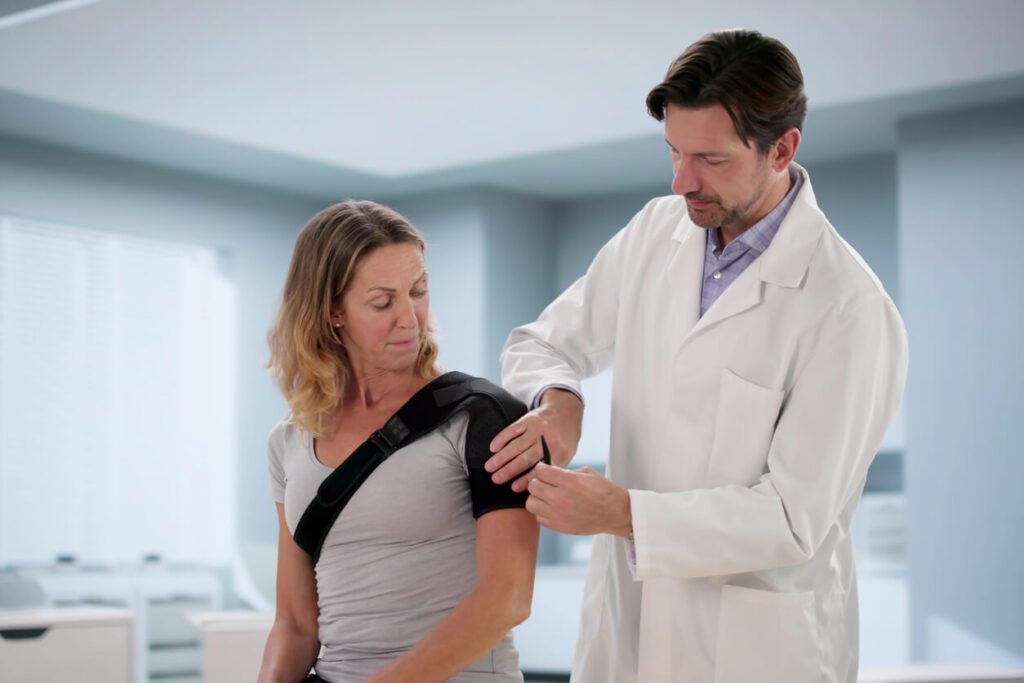
Deciding to pursue shoulder surgery requires careful thought and expert guidance. In short:
- Shoulder surgery usually becomes an option only after non-surgical treatments fail to provide relief.
- It offers an effective solution for conditions like rotator cuff tears, severe arthritis, and chronic instability, working to reduce pain and restore function.
- A successful outcome depends on your commitment to a structured and often lengthy post-operative rehabilitation program.
Persistent shoulder pain and limited mobility can make everyday tasks feel impossible. When conservative treatments no longer bring relief, many people begin to explore shoulder surgery in Naples, FL, as the next step toward lasting comfort.
This guide explains when shoulder surgery is recommended, walking you through the common procedures, their benefits, potential risks, and what recovery truly involves.
With clear, straightforward information, you will feel more prepared to partner with your surgeon and choose the path that fits your needs.
What Is Shoulder Surgery and Who Needs It?
Whether caused by injuries, overuse, or degenerative conditions, shoulder issues can significantly affect daily life by limiting mobility and causing persistent pain.
Before considering surgery, it is essential to understand the options, benefits, and steps involved to determine the right solution for your specific circumstances.
Defining Shoulder Surgery
Shoulder surgery repairs or replaces damaged parts of the joint to relieve pain, restore stability, and improve motion and strength.
Procedures range from minimally invasive arthroscopy to open surgery, and the right approach depends on your specific condition and its severity.
Common Conditions Requiring Surgical Intervention
Several shoulder problems may eventually call for surgery, particularly when they interfere with your quality of life:
- Rotator Cuff Tears: Surgery reattaches and repairs tendons damaged by sudden injury or gradual wear, relieving pain, weakness, and difficulty with overhead activities.
- Shoulder Instability and Dislocation: Surgery repairs stretched or torn ligaments caused by the upper arm bone slipping out of the socket, restoring stability and preventing repeat dislocations.
- Severe Arthritis (Glenohumeral Osteoarthritis): When deteriorating cartilage causes debilitating pain, stiffness, and loss of motion, shoulder replacement surgery often proves highly effective.
- Fractures: Serious breaks in the humerus, scapula, or clavicle may require surgery to realign and secure bone fragments with plates, screws, or pins for proper healing.
When Non-Surgical Options Are Exhausted
Surgeons typically recommend surgery only after conservative treatments fail to deliver lasting relief for chronic shoulder conditions. These first-line options include physical therapy, anti-inflammatory medications, corticosteroid injections, and activity modification.
When pain remains severe and function stays impaired despite these efforts, surgery becomes a reasonable next step. Some urgent cases, such as large rotator cuff tears or complex fractures, may call for prompt surgical intervention.
How Shoulder Surgery Works: Understanding the Procedures
Before exploring the details of the shoulder surgery process, understanding the available procedures can help patients feel more informed and confident about their care.
Arthroscopic Techniques
Arthroscopy is a minimally invasive technique that uses several small incisions. The surgeon inserts an arthroscope, a thin tube with a camera, to view a magnified image of the joint and perform precise repairs.
Arthroscopy is commonly used for rotator cuff repairs and instability. It generally results in less pain, reduced tissue damage, and a faster initial recovery. According to the Cleveland Clinic, patients who undergo shoulder arthroscopy tend to experience an easier recovery compared to open surgery.
Open Surgical Procedures
Open surgery uses a single, larger incision to give the surgeon direct access to the shoulder joint. This approach suits complex problems like total shoulder replacement or severe fractures, where intricate reconstruction requires greater visibility and access.
Specific Repair and Reconstruction Methods
- Rotator Cuff Repair: The surgeon reattaches the torn tendon to the humerus using suture anchors.
- Labral Repair: The surgeon reattaches torn cartilage (the labrum) to the rim of the shoulder socket, often with suture anchors, to restore stability.
- Shoulder Arthroplasty (Replacement): For severe arthritis, the surgeon replaces damaged joint surfaces with artificial parts, swapping the humeral head for a metal ball and resurfacing the glenoid with a smooth plastic socket.
The Shoulder Surgery Process: What to Expect
Before undergoing shoulder surgery in Naples, FL, understanding the process is essential. Careful planning, precise techniques, and expert care all play a role in ensuring optimal recovery.
Pre-Operative Preparation
Preparation begins with a thorough medical evaluation, which may include blood tests, an EKG, and imaging. Your surgeon will review your medications, often advising you to stop blood thinners, and provide fasting instructions.
You will also arrange transportation home and line up support for the first days of recovery.
During the Procedure
On the day of surgery, you will receive general anesthesia, frequently paired with a regional nerve block for extended pain control.
The surgeon then performs the procedure, which typically lasts one to three hours depending on its complexity.
Immediate Post-Operative Care
After surgery, the care team monitors you in the recovery area and manages your comfort with medication and ice. Your arm will rest in a sling to protect the repair. Once you are stable, you will receive detailed discharge instructions and a scheduled follow-up appointment.
Benefits and Effectiveness of Shoulder Surgery
Shoulder surgery offers numerous advantages, allowing patients to restore mobility, alleviate pain, and return to their daily activities with improved function.
Pain Reduction
Shoulder surgery significantly reduces or eliminates chronic pain, which dramatically improves quality of life for patients whose sleep and daily activities had been disrupted for months or even years.
Restoration of Function and Mobility
Surgery restores the shoulder’s range of motion, strength, and stability, allowing you to return to daily tasks, work, and the hobbies you enjoy most.
Long-Term Success Rates
Modern procedures such as rotator cuff repair and total shoulder replacement carry high long-term success rates. When performed at the right time, surgery prevents further joint damage and delivers a durable solution. Your dedication to rehabilitation plays a major role in achieving the best possible outcome.
Risks and Considerations for Shoulder Surgery
Although shoulder surgery is often successful, making an informed decision requires weighing the benefits against the risks. Common complications include:
- Stiffness (Frozen Shoulder): Post-surgical stiffness is common, which is why physical therapy is essential.
- Re-tear: Repaired tendons or labrums can tear again if you do not follow activity restrictions.
- Persistent Pain: In some cases, pain may continue even after a technically successful operation.
- Implant Issues: Joint replacements carry long-term risks of loosening, wear, or dislocation.
Recovery Challenges
Recovery demands a significant commitment to rehabilitation, often lasting several months. You will need to follow strict activity restrictions, including limits on lifting and driving. Effective pain management remains key to a smooth recovery.
Recovery and Aftercare Following Shoulder Surgery
Research shows that pain relief varies by procedure type. According to the National Institutes of Health (NIH), total shoulder arthroplasty (TSA) and reverse total shoulder arthroplasty (RTSA) deliver the fastest results, with most patients reporting pain improvement within the first six weeks.
Immediate Post-Operative Phase (Weeks 0 to 6)
This first phase focuses on protection and pain management. You will wear a sling to protect the repair, while pain medication and icing control discomfort and swelling. Gentle, therapist-assisted range-of-motion exercises begin early to help prevent stiffness.
Structured Physical Therapy Program (Weeks 6 to 24 and Beyond)
As you heal, a physical therapist guides you through a progressive exercise plan designed to restore motion, build strength, and improve flexibility. This phase is critical for achieving the best long-term results.
Gradual Return to Activities
Your surgeon and physical therapist guide your return to activity based on clear healing milestones. Expect to avoid heavy lifting, repetitive overhead movements, and impact sports for several months until your shoulder is fully healed and strong.
Frequently Asked Questions (FAQ)
Below are answers to some of the most frequently asked questions about shoulder surgery in Naples, FL.
What Are the Common Reasons for Shoulder Surgery?
Shoulder surgery may be recommended to treat conditions such as rotator cuff tears, shoulder impingement, arthritis, frozen shoulder, and dislocations. It can also address injuries caused by sports, physical activity, or accidents.
What Types of Shoulder Surgery Are Available?
Options include arthroscopic surgery, a minimally invasive procedure used for many shoulder issues, and open surgery for more complex cases. Your surgeon will determine the best approach based on your diagnosis and treatment goals.
How Long Does Recovery Take After Shoulder Surgery in Naples, FL?
Recovery time varies depending on the procedure and the individual. Most patients begin physical therapy within a few weeks to regain strength and mobility. Full recovery may take several months, particularly for extensive repairs or replacements.
Will I Need Physical Therapy Post-Surgery?
Yes, physical therapy is a crucial part of recovery to restore range of motion, improve strength, and promote healing. Your therapist will customize a rehabilitation plan to meet your specific needs and goals.
Is Shoulder Surgery in Naples, FL Covered by Insurance?
Most insurance plans cover medically necessary procedures like shoulder surgeries. We recommend checking with your insurance provider to confirm coverage. Our team can assist with verifying your benefits and addressing any concerns.
Explore Shoulder Surgery in Naples, FL
Consulting with an experienced orthopedic shoulder surgeon is the best way to determine whether shoulder surgery in Naples, FL is right for you.
A specialist will review your medical history, perform a physical exam, order imaging, and discuss every available option, including non-surgical alternatives, before recommending a course of action.
Understanding your diagnosis, the recommended procedure, the recovery timeline, and the rehabilitation commitment will help you make a well-informed decision and move forward with confidence.
Our experienced team is ready to guide you from diagnosis through recovery. Call The Joint Replacement Institute today at (239) 261-2663 or use our online appointment request form to schedule your consultation for shoulder surgery in Naples, FL.
