
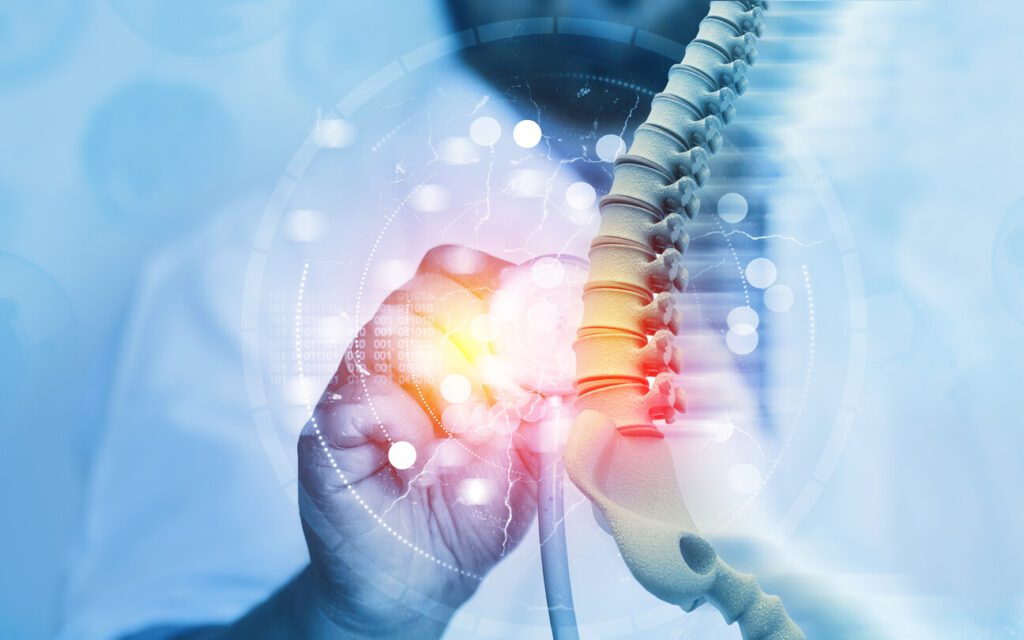
A spine specialist can ease sciatica pain by diagnosing the precise location of nerve compression and implementing a customized, effective treatment plan.
- Accurate diagnostic testing procedures. Orthopedic experts utilize physical exams and advanced imaging to pinpoint the exact root cause of your nerve discomfort.
- Targeted non-surgical therapies. Medical professionals offer access to specialized physical therapy, anti-inflammatory medications, and targeted spinal injections.
- Advanced minimally invasive surgery. When conservative methods fail to provide relief, surgeons can perform delicate procedures to decompress the affected nerve.
When you want to learn how to ease sciatica pain, an orthopedic specialist is your best resource for lasting relief. Sciatica can bring your daily activities to a halt, and it often makes simple movements feel entirely impossible. It is a very common condition, but it requires prompt professional attention for proper long-term management.
The sciatic nerve is large – in fact, it is the widest and longest nerve in the human body. It begins in your lower back, branches down through your buttocks, and extends all the way into both of your legs. When something compresses this massive nerve, it sends severe, radiating pain signals down your lower extremities.
Patients often describe this discomfort as a sharp, burning sensation or an electrical shock. The pain typically affects only one side of the body, and it can worsen significantly when you cough, sneeze, or sit for extended periods. Sometimes, one part of the leg will throb with pain while another part experiences distinct numbness or tingling.
What Is Sciatica and How Does It Affect the Human Body?
Understanding the underlying mechanics of your spine is the first step toward finding meaningful relief. Your spinal column consists of individual bones called vertebrae, and these bones are separated by rubbery cushions known as intervertebral discs. These unique discs act as shock absorbers, and they allow your back to bend, twist, and move fluidly.
When these structural elements shift out of place or degenerate, they can intrude on the space reserved for your spinal nerves. The sciatic nerve is particularly vulnerable because it is formed by a confluence of multiple nerve roots exiting the lower lumbar spine. Any pressure applied upstream in the lower back will radiate downward along the entire length of the nerve pathway.
Understanding the Role of a Herniated Disc in Nerve Compression
The intervertebral discs feature a soft, jelly-like center called a nucleus, which is surrounded by a tough, fibrous exterior known as an annulus. A herniated disc occurs when the soft center pushes out through a tear in the tough outer layer. If this extruded material presses directly on the adjacent sciatic nerve roots, it triggers severe inflammation and pain.
According to Mayo Clinic, individuals between the ages of 20 and 50 are the most likely demographic to develop a herniated disc. This age group often engages in heavy lifting, frequent twisting, and prolonged sitting that strains the lower back. As the disc material impinges on the nerve, it disrupts normal signaling, and this disruption creates the hallmark symptoms of sciatica.
Spinal Stenosis and Other Common Risk Factors
While herniated discs are the leading cause, spinal stenosis is another frequent culprit behind severe leg pain. This condition involves a gradual narrowing of the spinal canal, which physically compresses the delicate nerves traveling through it. Additionally, an overgrowth of bone on the vertebrae, often referred to as bone spurs, can pinch the nerve roots as people age.
Certain underlying health conditions can also increase your risk of developing painful nerve damage. For example, individuals who manage diabetes, including type 2 diabetes, face a higher likelihood of experiencing nerve-related complications because elevated blood sugar levels damage nerves over time. Even habits like smoking, which is known for causing COPD, can reduce the blood supply to your spinal discs and accelerate painful degeneration.
When Should You Seek Medical Attention for Your Discomfort?
Most minor episodes of lower back discomfort will resolve on their own with adequate rest and gentle stretching. However, if your pain lasts longer than a week, is intensely severe, or grows progressively worse, you need to consult a medical professional. Prompt intervention can prevent temporary inflammation from turning into permanent nerve damage.
There are specific red flag symptoms that require immediate, emergency medical care from a qualified specialist. You must seek urgent help if you experience sudden numbness in your leg, severe muscle weakness, or a sudden loss of bowel or bladder control. These severe symptoms suggest that the nerve compression is critically advanced, and a delay in care could lead to irreversible complications.
How Can a Spine Specialist Diagnose the Exact Issue?
During your initial consultation, your orthopedic doctor will review your complete medical history, discuss your specific symptoms, and conduct a thorough physical examination. They will check your muscle strength, test your reflexes, and observe how well you can walk on your toes or heels. This hands-on assessment helps the physician understand exactly which spinal nerve roots are being compressed.
One of the most common physical assessments is the straight leg raise test, which is a simple yet highly effective diagnostic tool. You will lie flat on your back, and the doctor will slowly raise your symptomatic leg straight up into the air. If this movement reproduces your sharp, shooting leg pain, it strongly indicates that a herniated disc or similar issue is pinching the sciatic nerve.
Utilizing Advanced Diagnostic Imaging Technology
While physical exams are informative, specialists often rely on advanced imaging to see exactly what is happening inside your spinal column. During your visit, your physician will likely order a basic X-ray to check for bone spurs or obvious alignment issues. While an X-ray cannot show a herniated disc, it excels at identifying structural bone abnormalities.
If your doctor needs a more detailed view of your internal tissues, they might order a CT scan or a magnetic resonance imaging test. A CT scan, which stands for computed tomography scan, provides excellent, high-resolution cross-sections of the spinal column and surrounding structures. An MRI is even more sensitive, and it produces highly detailed images of the soft intervertebral discs, the spinal cord, and the compressed nerves.
What Are the Best Strategies on How to Ease Sciatica Pain?
Your spine specialist will usually start with the least invasive methods to calm your irritated nerves and reduce localized swelling. They will tailor a specific recovery plan based on your unique symptoms, your medical history, and your personal lifestyle goals. For many patients, a combination of targeted medications and physical rehabilitation is incredibly effective.
A physician might recommend an over-the-counter nonsteroidal anti-inflammatory drug, such as ibuprofen (Advil) or naproxen (Aleve). If your muscle spasms are severe, they could also prescribe a temporary muscle relaxant like cyclobenzaprine (Flexeril) to provide immediate relief. Some patients also benefit significantly from specific nerve pain medications, including gabapentin (Neurontin), to quiet the erratic electrical nerve sensations.
How to Ease Sciatica Pain with Physical Therapy
Patients frequently ask their doctors how to ease sciatica pain at home without relying solely on prescription medications. Physical therapy is a cornerstone of conservative treatment, and it teaches you how to strengthen the muscles that support your back. A trained physical therapist will guide you through customized exercises that improve your posture, increase your flexibility, and decompress your spine.
Your physical therapy regimen will likely focus heavily on stretching your hamstrings, glutes, and lower back muscles. Tightness in these specific areas can pull on your pelvis, exacerbate your spinal misalignment, and increase the pressure on your sciatic nerve. As your core strength improves, your spine will receive better support, and your painful symptoms will begin to fade.
What Role Do Epidural Steroid Injections Play?
If oral medications and basic physical therapy do not provide enough relief, your doctor might suggest an epidural steroid injection. This minimally invasive procedure involves injecting a powerful corticosteroid directly into the epidural space surrounding the irritated nerve root. The medication acts as a potent anti-inflammatory agent, and it quickly reduces the swelling that is causing your severe pain.
While an injection does not fix the underlying structural issue, it provides a crucial window of profound pain relief. This temporary reduction in pain allows patients to participate much more comfortably in their physical therapy sessions. Afterward, many patients find that their bodies can heal the inflamed disc naturally without the constant burden of debilitating spasms.
How to Ease Sciatica Pain When Surgery Is Necessary
When researching how to ease sciatica pain, you will find that surgery is typically reserved as a last resort. However, if you have exhausted all conservative treatments, or if you are experiencing severe neurological deficits, surgical intervention becomes highly beneficial. Modern orthopedic surgeons use minimally invasive techniques that require very small incisions, and these procedures spare the surrounding healthy muscle tissue.
The most common surgical procedure for a herniated disc is a microdiscectomy, which has an excellent track record for success. During this operation, the surgeon removes only the small portion of the disc that is actively pressing on the nerve root. For patients with spinal stenosis, a laminectomy might be performed to remove the bone spurs, widen the spinal canal, and relieve the pressure.
Can Lifestyle Changes Prevent Future Painful Flare-Ups?
Once your initial pain subsides, incorporating healthy lifestyle changes is essential for preventing future episodes of nerve compression. Maintaining a healthy body weight reduces the daily mechanical stress placed on your lower spine, your intervertebral discs, and your joints. Regular, low-impact exercise, such as swimming or brisk walking, keeps your spinal structures properly nourished, highly flexible, and resilient.
You must also pay close attention to your body mechanics, especially when you lift heavy objects at home or at work. You should always let your legs do the heavy lifting, hold the load close to your body, and completely avoid twisting your spine simultaneously.
If you work at a desk, you should select a chair with excellent lower back support, keep your feet flat, and take frequent standing breaks.
How to Ease Sciatica Pain in Naples, Florida
Living with severe nerve pain can drastically reduce your quality of life, but you do not have to endure it indefinitely. At Joint Replacement Institute in Naples, Florida, we offer comprehensive, personalized orthopedic care for patients suffering from debilitating back and leg pain. Our dedicated medical team utilizes the latest diagnostic tools, evidence-based conservative therapies, and advanced surgical techniques to restore your mobility.
Our board-certified, fellowship-trained spine surgeons specialize in diagnosing and treating all forms of spinal nerve compression. Whether you require customized physical therapy, targeted injections, or a minimally invasive microdiscectomy, our compassionate staff is here to guide your recovery. We take pride in creating individualized treatment plans that align perfectly with your unique health goals and your active lifestyle.
If you are tired of letting leg pain control your daily routine, it is time to seek expert, professional help. You can easily schedule an initial consultation with our experienced specialists to determine the exact cause of your discomfort. Call our friendly office today at (239) 261-2663, or use our convenient online appointment request form to start your journey toward a pain-free life.
