
In short,
- Hip bursitis causes pain on the outer side of the hip, often worsening with activity.
- Initial treatment for bursitis in the hip area includes rest, ice, medication, and activity modification.
- Early diagnosis and proper management are essential for effective, lasting relief.
What is Hip Bursitis?
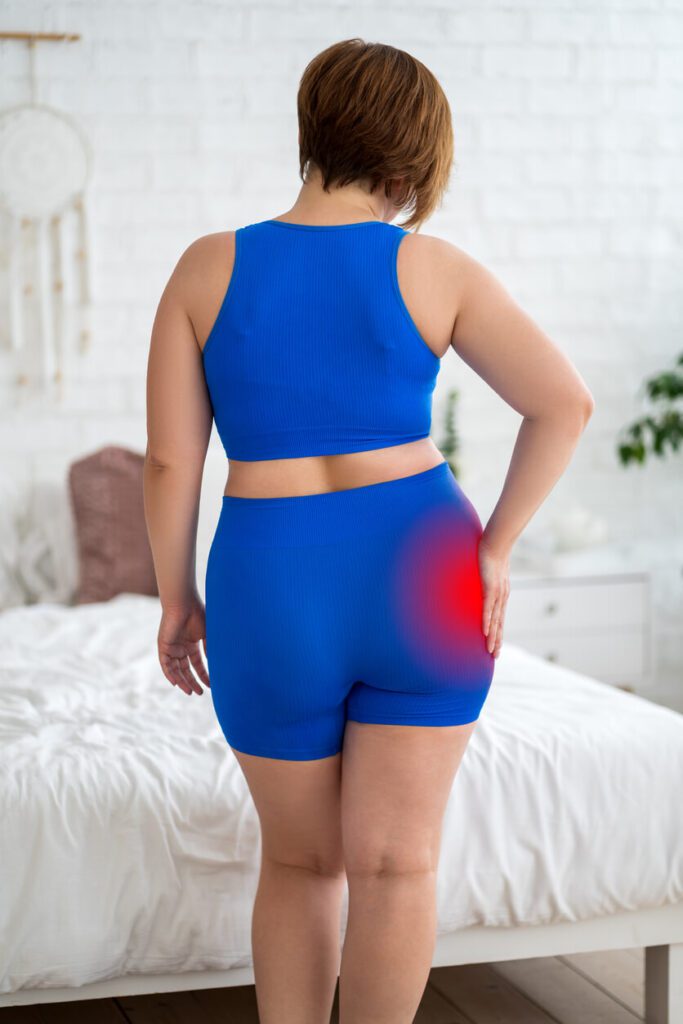
Hip bursitis, also known as trochanteric bursitis, occurs when the bursa, a small, fluid-filled sac located on the outer part of the hip, becomes inflamed. The bursa acts as a cushion, reducing friction between bones, tendons, and muscles during movement.
When inflamed, it can cause significant pain and discomfort, especially with activities like walking, climbing stairs, or lying on the affected side.
Causes and Risk Factors for Hip Bursitis
The condition often develops due to repetitive stress, injury, or underlying medical conditions. Understanding the causes and risk factors can help you take preventive measures and seek timely treatment for bursitis in the hip area.
Common Causes:
- Repetitive Stress: Activities like running, cycling, or prolonged standing can irritate the bursa.
- Injury: A fall, bump, or prolonged pressure on the hip can trigger inflammation.
- Poor Posture or Gait Issues: Uneven leg length, scoliosis, or arthritis can alter hip mechanics, stressing the bursa.
- Bone Spurs or Calcium Deposits: These can rub against the bursa, causing irritation.
Who is at Risk?
- Age and Gender: According to the National Institutes of Health, women and older adults are more prone to hip bursitis due to anatomical and age-related changes.
- Medical Conditions: Rheumatoid arthritis, gout, diabetes, and thyroid disorders increase susceptibility.
- Occupational and Athletic Factors: Jobs or sports involving repetitive hip movements elevate the risk.
Signs, Symptoms, and Diagnosis of Hip Bursitis
Bursitis pain can significantly impact daily life, making it essential to recognize its symptoms early and seek proper treatment for bursitis in the hip area. Understanding the signs can help in managing the condition effectively.
Recognizing Symptoms:
- Pain on the outer side of the hip, often worsening with activity or pressure.
- Swelling or tenderness around the hip.
- Difficulty lying on the affected side or performing daily activities.
How is Hip Bursitis Diagnosed?
To diagnose hip bursitis, a healthcare provider will evaluate your symptoms through the following methods:
- Medical History & Physical Exam: Your doctor will review your medical history and conduct a physical exam to assess tenderness, swelling, and your hip’s range of motion.
- Imaging Tests: While an X-ray can rule out other conditions like arthritis, an MRI or ultrasound offers a detailed view of the soft tissues to confirm bursae inflammation.
- Fluid Aspiration: In some instances, your doctor may take a small fluid sample from the bursa to test for infection or other underlying causes.
Treatment for Bursitis in the Hip Area
According to the Mayo Clinic, hip bursitis often improves on its own. However, taking the proper steps is crucial for healing. Your doctor will evaluate your test results to determine the best course of action for your specific condition before recommending a treatment plan.
Conservative Management Strategies:
- Rest and Activity Modification: Avoid activities that worsen symptoms.
- Ice Therapy: Apply ice packs to reduce inflammation and pain.
- Medications: Over-the-counter anti-inflammatory drugs like ibuprofen can help.
- Physical Therapy: Strengthening and stretching exercises improve hip stability and flexibility.
Advanced Interventions for Persistent Pain:
- Corticosteroid Injections: These provide targeted relief for severe inflammation.
- Shockwave Therapy: A non-invasive option to promote healing.
- Surgery: Rarely needed, reserved for chronic cases unresponsive to other treatments.
Prevention and Lifestyle Adjustments for Hip Bursitis
Prevention and lifestyle adjustments play a key role in managing and reducing the risk of hip bursitis.
Preventive Measures:
- Maintain a healthy weight to reduce stress on the hips.
- Use proper footwear to support your posture and gait.
- Warm up before exercise and avoid overtraining.
Home Care Tips:
- Alternate between sitting and standing to avoid prolonged pressure on the hips.
- Incorporate low-impact activities like swimming or yoga into your routine.
Living with Hip Bursitis and Managing Flare-ups
Living with hip bursitis requires a balanced approach to daily activities and self-care. Small changes in your routine can significantly improve comfort and help manage symptoms effectively. Awareness of your body’s limits is key to avoiding unnecessary strain.
Coping with Chronic Pain:
Work with your healthcare team to develop a long-term pain management plan. This may include:
- Ongoing physical therapy.
- Alternative therapies like acupuncture or massage.
- Stress reduction techniques and adequate sleep.
The Role of Physical Therapy:
Physical therapy plays a crucial role in managing hip bursitis. It focuses on strengthening the muscles around the hip joint, including the glutes and hip abductors, which helps to reduce stress on the bursa.
A physical therapist will also guide you through targeted stretches to improve flexibility in the hip and thigh, correcting any muscle imbalances that may have contributed to the condition. By creating a tailored exercise program, a therapist can not only alleviate current pain but also prevent re-injury and promote lasting relief.
Gradual Recovery and Return to Activity:
Recovery from hip bursitis is a gradual process that requires patience. Your physical therapist will help you safely transition back to your normal routine, ensuring your hip heals fully. This often involves starting with low-impact activities like swimming or cycling and slowly reintroducing more strenuous exercises.
Listening to your body is essential during this phase. You should never push through sharp pain. This structured approach allows the hip to adapt and strengthen, reducing the risk of future flare-ups and ensuring a durable recovery.
Frequently Asked Questions about Hip Bursitis
What are the symptoms of hip bursitis?
Common symptoms include pain on the outer side of the hip, especially when lying on that side, during activity, or after prolonged standing. Swelling, tenderness, and difficulty moving the hip are also frequently reported.
How long does treatment for bursitis in the hip area take?
Most people experience noticeable improvement with conservative treatments within a few weeks. Complete recovery can take several weeks to months, depending on the severity of the inflammation and adherence to recommended therapies.
Can hip bursitis be prevented?
While not all cases can be prevented, maintaining a healthy weight, engaging in regular low-impact exercise, using proper posture, and addressing biomechanical issues early can significantly reduce your risk of developing hip bursitis.
Find Treatment for Bursitis in the Hip Area in Naples, FL
Treatment for bursitis in the hip area requires a personalized approach. From diagnosis to rehabilitation, our team is here to guide you every step of the way. At the Joint Replacement Institute, we combine advanced medical treatments with practical lifestyle recommendations to help you achieve lasting relief and improved quality of life.
If you’re experiencing hip pain, don’t wait. Call us at (239) 261-2663 or use our online appointment request form to schedule a consultation today.
