
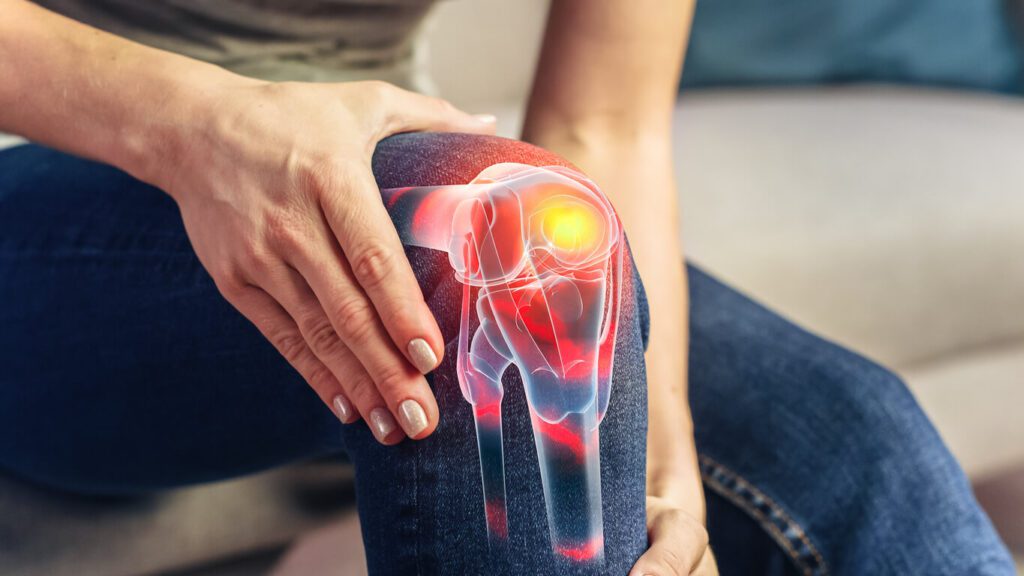
In short, there are numerous effective nonsurgical options for managing knee arthritis before considering invasive procedures.
- Lifestyle changes. Simple adjustments like weight loss and exercise can significantly reduce joint stress and pain.
- Physical therapy. Targeted strengthening exercises help support the knee joint and improve range of motion.
- Injections and medications. Corticosteroids, hyaluronic acid, and oral medications offer relief from inflammation and discomfort.
When searching for the treatment of arthritis in the knee, many patients assume surgery is the immediate or only solution. However, joint pain does not always necessitate a trip to the operating room. A variety of nonsurgical interventions can effectively manage symptoms, improve mobility, and delay or eliminate the need for surgical procedures.
This comprehensive guide explores the various conservative therapies available to help you regain your quality of life without going under the knife.
What Is Knee Arthritis?
Arthritis is not a single disease but a way of referring to joint pain or joint disease. In the knee, osteoarthritis is the most common form, often referred to as “wear and tear” arthritis. It occurs when the cartilage that cushions the ends of bones wears down over time.
According to the Centers for Disease Control and Prevention (CDC), osteoarthritis affects over 32.5 million US adults. While it can damage any joint, the disorder most commonly affects joints in your hands, knees, hips, and spine.
Symptoms typically develop slowly and worsen over time.
How Can Lifestyle Changes Affect the Treatment of Arthritis in the Knee?
The first line of defense against knee pain often involves changes to your daily routine. These adjustments are non-invasive and can have profound long-term health benefits.
Weight Management
Excess weight puts additional stress on weight-bearing joints like the hips and knees. Even a small amount of weight loss can relieve pressure on the knees and reduce pain.
Research shows that for every pound of weight lost, there is a four-pound reduction in the load exerted on the knee for each step taken during daily activities. This significant reduction in mechanical stress can slow the progression of arthritis.
Exercise and Activity Modification
While it may seem counterintuitive to move when you are in pain, exercise is crucial for arthritis management. Low-impact activities are best because they minimize stress on the joint while keeping it flexible.
Swimming, cycling, and walking are excellent options. Avoid high-impact activities like running or jumping that may exacerbate symptoms. Strengthening the muscles around the knee, particularly the quadriceps, provides better support for the joint.
What Role Does Physical Therapy Play?
Physical therapy is a cornerstone of nonsurgical treatment of arthritis in the knee. A physical therapist can create a personalized exercise plan to strengthen the muscles around your joint, increase your range of motion, and reduce pain.
Strengthening Exercises
Therapists focus on strengthening the quadriceps and hamstrings. Stronger muscles can act as shock absorbers, protecting the knee joint from excessive strain during movement.
Assistive Devices
Physical therapists may also recommend assistive devices. Braces, shoe inserts (orthotics), or the use of a cane can help redistribute weight and relieve pressure on the arthritic part of the knee. Unloader braces specifically shift the load away from the affected area of the knee.
Medications for Managing Knee Pain
Medication is often used in conjunction with lifestyle changes and physical therapy. There are several categories of drugs used for the treatment of arthritis in the knee.
Over-the-Counter Pain Relievers
Acetaminophen (Tylenol) and nonsteroidal anti-inflammatory drugs (NSAIDs) such as ibuprofen (Advil, Motrin IB) and naproxen sodium (Aleve) are commonly recommended.
However, long-term use of NSAIDs can have side effects, including stomach upset and cardiovascular issues. It is important to consult a healthcare provider before starting a long-term regimen.
Prescription Medications
If over-the-counter options are ineffective, stronger prescription NSAIDs or pain relievers may be necessary. Duloxetine (Cymbalta), primarily used as an antidepressant, is also approved to treat chronic pain, including osteoarthritis pain.
Are Injections Effective for the Treatment of Arthritis in the Knee?
When oral medications and physical therapy do not provide sufficient relief, injections directly into the knee joint may be the next step.
Corticosteroid Injections
Corticosteroid injections can offer rapid relief from pain and inflammation. The effects can last from a few weeks to several months. However, the number of injections you can receive is limited, as frequent use can potentially damage the cartilage further over time.
Viscosupplementation
Viscosupplementation involves injecting hyaluronic acid into the knee. Hyaluronic acid is a substance naturally found in the joint fluid that acts as a lubricant and shock absorber.
Platelet-Rich Plasma (PRP) Therapy
PRP therapy involves drawing a sample of your own blood, spinning it in a centrifuge to concentrate the platelets, and injecting them into the injured knee. This treatment involves using the body’s natural growth factors to reduce inflammation.
Complementary and Alternative Therapies
Many patients find relief through alternative methods when exploring the treatment of arthritis in the knee. While these should not replace medical advice, they can be valuable add-ons to a treatment plan.
Acupuncture
Acupuncture uses fine needles inserted at specific points on the body to reduce pain. Some studies indicate it can be helpful for osteoarthritis pain.
The National Institutes of Health notes that acupuncture may effectively reduce pain in patients with knee osteoarthritis.
Supplements
Glucosamine and chondroitin are popular supplements for joint health. They are components of normal cartilage.
Evidence regarding their effectiveness is mixed. However, some patients report modest pain relief. It is essential to discuss supplements with a doctor, as they can interact with blood thinners and other medications.
When Should You See a Specialist in Florida?
If knee pain is interfering with your daily life, sleep, or ability to work, it is time to seek professional help. Early intervention is key to managing the progression of arthritis.
Do not wait until the pain becomes unbearable. A specialist can evaluate the extent of the damage using physical exams and imaging tests like an X-ray or MRI.
Treatment of Arthritis in the Knee in Naples, FL
Living with knee pain does not mean you must immediately accept surgery. From weight management and physical therapy to advanced injection therapies, nonsurgical treatment of arthritis in the knee offers many pathways to relief.
If you are experiencing persistent knee pain, stiffness, or swelling, the Joint Replacement Institute is here to help. Our team specializes in comprehensive orthopedic care, prioritizing conservative treatments to help you return to the activities you love.
Contact us at (239) 261-2663 or fill out our appointment request form to schedule a consultation and discuss which nonsurgical options are right for you.
