
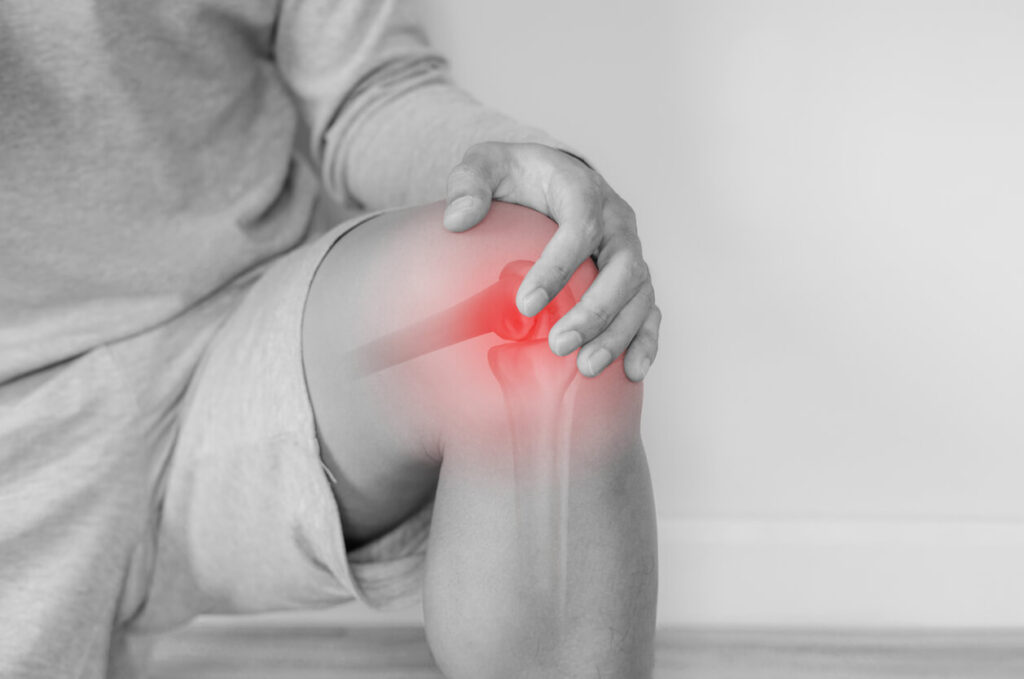
The most effective options include conservative therapies, targeted injections, and advanced surgical interventions, depending on your joint damage.
- Focus on conservative care: Initial approaches prioritize weight management and targeted physical therapy exercises.
- Explore advanced injection therapies: Innovative injections provide significant relief for moderate joint degeneration.
- Consider surgical intervention later: Joint replacement surgery provides excellent outcomes when other methods fail.
When patients ask about the optimal treatment of arthritis in the knee, the answer depends entirely on the severity of their joint damage. Osteoarthritis and other inflammatory conditions can severely limit your mobility and diminish your quality of life. Fortunately, medical advancements offer numerous effective strategies to reduce pain, improve function, and delay the need for invasive surgeries.
What Is Knee Arthritis and How Does It Develop?
Joint degeneration occurs when the protective cartilage that cushions the ends of your bones gradually wears away. This progressive loss of cartilage leads to increased friction, bone damage, and significant daily discomfort. Osteoarthritis is the most common form of this condition, and it typically develops from years of mechanical wear and tear.
Other forms of joint disease involve different underlying mechanisms. Rheumatoid arthritis occurs when the immune system mistakenly attacks the joint lining, which causes severe inflammation and rapid cartilage destruction. Post-traumatic arthritis develops after a significant injury, such as a fracture or ligament tear, that alters the normal mechanics of your joint.
According to guidelines from the Centers for Disease Control and Prevention, osteoarthritis affects millions of adults worldwide. Maintaining a healthy weight and staying physically active are critical steps in managing this widespread condition.
How Does a Doctor Diagnose This Condition?
A proper diagnosis begins with a comprehensive physical examination by a medical professional. The physician will evaluate your joint for swelling, assess your range of motion, and identify specific areas of tenderness. This initial assessment helps determine the severity of your symptoms and guides the subsequent testing process.
Following the physical exam, doctors typically rely on specialized imaging to confirm the diagnosis. An X-ray is the standard tool used to visualize joint space narrowing, bone spurs, and overall bone alignment. If the X-ray results are inconclusive, the medical team might order a CT scan to obtain a more detailed cross-sectional view of the affected bones.
In some cases, laboratory tests provide essential diagnostic information. Blood tests can help differentiate between osteoarthritis and autoimmune conditions that require entirely different management strategies.
What Is the Initial Treatment of Arthritis in the Knee?
The initial treatment of arthritis in the knee focuses heavily on non-surgical, conservative measures to protect the joint. Doctors usually recommend resting the affected leg, applying ice to reduce acute swelling, and elevating the limb after heavy activity. These simple modifications prevent further irritation and allow inflamed tissues to calm down naturally.
Activity modification is another crucial component of early intervention. Patients should transition from high-impact activities like running toward low-impact exercises such as swimming or cycling. This transition reduces the mechanical load on the joint while maintaining cardiovascular fitness.
Physical therapy serves as a cornerstone of conservative care. A licensed therapist can design a customized program to strengthen the surrounding muscles, improve joint stability, and restore your full range of motion.
How Can Medications Reduce Joint Inflammation?
Over-the-counter pain relievers are frequently used to manage daily discomfort and improve patient mobility. Nonsteroidal anti-inflammatory drugs, such as ibuprofen (Advil) and naproxen (Aleve), are particularly effective because they reduce both pain and inflammation. Patients should always take these medications under the guidance of a physician to minimize potential side effects.
For individuals who cannot tolerate traditional anti-inflammatory pills, acetaminophen (Tylenol) provides a useful alternative. While it does not reduce swelling, it alters the way the brain perceives pain signals. This makes it a valuable option for patients with sensitive stomachs or specific cardiovascular risks.
Topical therapies offer targeted relief directly to the painful area. Prescription creams like diclofenac (Voltaren) penetrate the skin to soothe the joint without causing widespread systemic effects. This targeted approach is especially beneficial for older adults who take multiple oral medications.
What Is the Best Treatment for Rheumatoid Arthritis Pain?
Finding the best treatment for rheumatoid arthritis pain requires an aggressive approach that targets the underlying immune dysfunction. Because this condition causes systemic inflammation, simple over-the-counter medications are rarely sufficient to halt the disease progression. Medical experts rely on specialized prescription drugs to protect the joint from irreversible damage.
Disease-modifying antirheumatic drugs are the primary defense against this aggressive condition. These powerful medications suppress the overactive immune system, slow the disease process, and prevent severe bone deformities. Biologic therapies provide another advanced option by blocking specific inflammatory pathways within the body.
Combining these medical interventions with targeted physical therapy yields the best long-term outcomes. A comprehensive treatment plan ensures that patients maintain their functional independence while keeping their severe pain under control.
Are Plasma-Rich Protein Injections Knee Therapies Effective?
Many patients explore regenerative medicine and wonder if plasma-rich protein injection knee treatments can provide genuine relief. This innovative therapy uses your own blood to promote natural healing within the damaged joint space. It represents a significant advancement in biological medicine for patients seeking alternatives to traditional pharmaceuticals.
The procedure begins when a medical professional draws a small blood sample and spins it in a centrifuge. This process isolates and concentrates the platelets, which contain powerful growth factors that stimulate tissue repair. The concentrated mixture is then carefully injected into the painful joint under ultrasound guidance.
This biological approach serves as a highly effective treatment of arthritis in the knee for active individuals. It often provides substantial pain reduction, improves joint function, and delays the need for invasive surgical interventions.
Are Corticosteroid Injections Effective for Joint Relief?
Corticosteroid injections deliver powerful anti-inflammatory medication directly into the affected joint space. These injections are well known for providing rapid and significant pain relief for patients experiencing severe acute flare-ups. The reduction in swelling allows patients to participate more fully in their physical therapy programs.
While the initial relief is often dramatic, the benefits of steroid injections are usually temporary. Most patients experience decreased pain for several weeks to a few months, and the effectiveness often diminishes with repeated use. Medical professionals carefully monitor the frequency of these injections to prevent potential complications.
Frequent steroid use can eventually weaken the surrounding ligaments and accelerate cartilage breakdown. Therefore, doctors typically limit these injections to a maximum of three or four per year.
How Does Hyaluronic Acid Lubricate Your Joints?
Healthy joints naturally contain synovial fluid, which acts as a thick lubricant and shock absorber during movement. In patients with severe joint degeneration, this protective fluid often breaks down and loses its lubricating properties. Hyaluronic acid injections – commonly referred to as gel injections – are designed to replenish this vital substance.
During this procedure, the physician injects a synthetic version of hyaluronic acid directly into the joint cavity. The thick gel coats the damaged cartilage surfaces, which reduces bone friction and improves overall mobility. Patients usually receive a series of injections over several weeks to achieve the maximum therapeutic benefit.
This specialized therapy serves as a valuable treatment of arthritis in the knee for patients who do not respond to basic medications. The lubricating effect can provide sustained pain relief that lasts for six months to a year.
What Do Recent Studies Reveal About These Treatments?
Clinical research continuously shapes the way orthopedic specialists manage joint degeneration. A study published in the National Library of Medicine found that platelet-rich plasma injections reduced knee pain scores by an average of 8.5 points at twelve months. This highlights the profound effectiveness of regenerative therapies for long-term joint preservation.
Additionally, topical medications are gaining strong clinical support for their safety profile. A study published in the National Institutes of Health demonstrated that topical treatments provide significant pain relief with minimal systemic side effects. These findings encourage doctors to prioritize localized creams over oral medications for older, medically complex patients.
As research advances, medical professionals incorporate these evidence-based strategies into their daily practice. Staying informed about clinical trials ensures that patients receive the safest and most effective care available.
Why Is Weight Loss Crucial for Joint Health?
Body weight plays a massive role in the mechanical health of your lower extremities. Every single pound of excess body weight places roughly four pounds of additional pressure on your joints with every step you take. This exponential mechanical load drastically accelerates the destruction of your protective cartilage over time.
Excess fat tissue also produces inflammatory chemicals that circulate throughout the body. These chemicals can worsen joint swelling and exacerbate the pain associated with conditions like type 2 diabetes and osteoarthritis. Reducing your body fat directly decreases this systemic inflammatory burden.
Because of these factors, weight management is a foundational pillar in the successful treatment of arthritis in the knee. Even a modest weight reduction of ten pounds can eliminate forty pounds of stress from your joints and significantly improve your comfort.
How Does Physical Therapy Support Long-Term Relief?
A structured physical therapy program targets the specific muscles that surround and stabilize your damaged joint. Stronger quadriceps, hamstrings, and calf muscles act as dynamic shock absorbers during daily physical activity. When your muscles bear the brunt of the impact, your damaged cartilage experiences significantly less mechanical stress.
Physical therapists also guide you through specialized stretching routines to improve your overall flexibility. Maintaining a full range of motion prevents dangerous joint stiffness and reduces your risk of sustaining secondary injuries. The therapist will monitor your progress and adjust the exercises as your strength gradually improves.
Regular exercise provides an exceptionally safe treatment of arthritis in the knee that does not rely on pharmaceutical interventions. Patients who diligently follow their prescribed exercise routines often experience a remarkable restoration of their functional independence.
What Are the Surgical Options for Treatment of Arthritis in the Knee?
When conservative methods fail to provide adequate pain relief, surgical intervention often becomes the necessary next step. The specific surgical procedure depends heavily on your age, activity level, and the exact location of your joint damage. An orthopedic surgeon will thoroughly review your X-ray results to determine the most appropriate approach.
Arthroscopic surgery allows a surgeon to clean out loose debris and smooth damaged tissue through tiny incisions. An osteotomy involves precisely cutting and reshaping the bones to shift your body weight away from the damaged compartment. These procedures work best for younger, active patients with localized joint wear.
Total joint replacement represents the definitive treatment of arthritis in the knee for severe, end-stage degeneration. During this major operation, the surgeon removes the damaged surfaces and replaces them with durable metal and plastic components. This procedure provides excellent long-term outcomes and completely eliminates the bone-on-bone friction causing your pain.
How Can Assistive Devices Improve Your Daily Mobility?
Assistive devices offer immediate mechanical support to patients struggling with severe joint instability. Simple tools like canes or walkers offload a significant amount of weight from the affected limb during walking. Using these devices correctly can dramatically extend your ability to walk long distances without experiencing a painful flare-up.
Bracing is another highly effective strategy for managing localized joint pain. Unloader braces are specifically designed to shift physical pressure away from the most damaged compartment of your joint. This simple mechanical adjustment provides profound pain relief during extended periods of standing and walking.
According to experts at the Mayo Clinic, using these assistive tools is a critical aspect of joint preservation. Patients should work closely with their medical team to ensure their devices are fitted and used properly.
Contact Us Today for Treatment for Arthritis in the Knee in Naples, FL
At the Joint Replacement Institute, we prioritize your long-term mobility, joint health, and overall wellness. We understand that navigating chronic pain can be overwhelming, but you do not have to face it alone.
To schedule your comprehensive joint evaluation, please call our office at (239) 261-2663 or use our online form to request an appointment. Our compassionate team looks forward to providing you with the highest standard of orthopedic excellence.
